
Years ago, the debate was whether remote work could function at all. That debate is over. In 2026, the more important question is why remote work is working so well for some professionals and quietly becoming unstable for others.
The difference is not always talent. It is not always the location. And it is not simply how much freedom someone has. For many remote professionals, the early promise of flexibility is now meeting a harder reality: careers still need direction, stability, trust, and support to grow.
This article looks at the shift shaping remote work in 2026, and why the professionals building something lasting are starting to think differently about what freedom actually requires.
Remote Work Has Entered a More Mature Phase
Remote work has moved beyond its experimental stage. A few years ago, the main question was whether people could work effectively outside a traditional office. Today, that question feels outdated. The model has proved itself. Companies have built distributed teams. Professionals have relocated across borders. Digital careers have become less tied to a single city or employer.
But maturity has brought a new divide. Some professionals have turned flexibility into a stable way of working. They have reliable routines, strong skills, clear work arrangements, professional networks, and a realistic understanding of what it takes to build a career from anywhere.
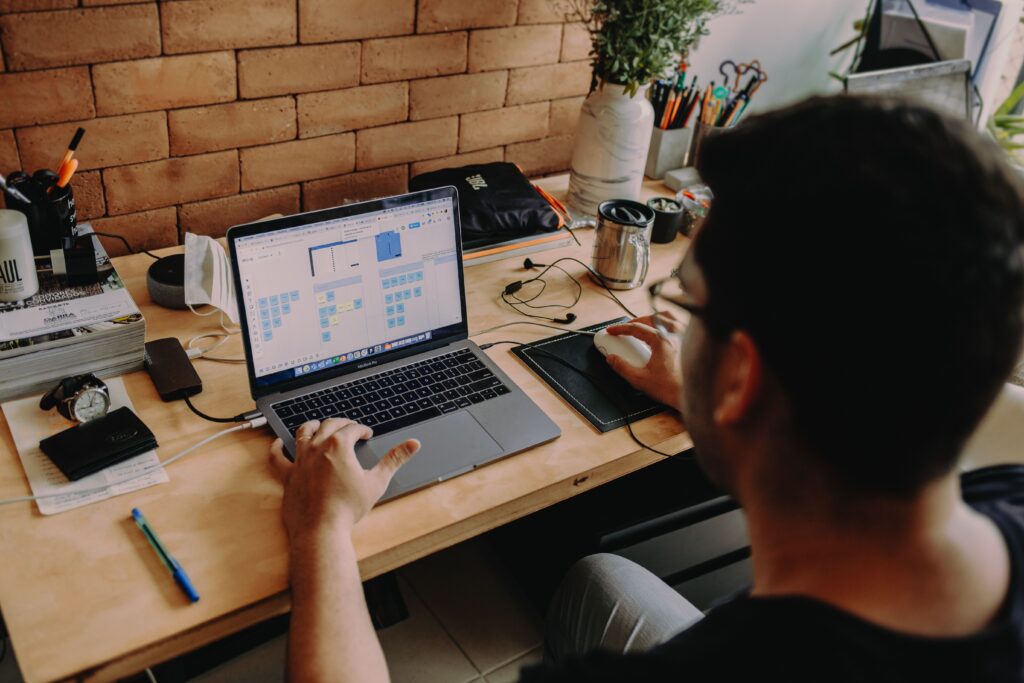
Others are still improvising. They move between short-term projects, postpone legal and financial questions, rely too heavily on lifestyle benefits, and assume that freedom alone will keep their career moving forward.
That gap is becoming more visible. The people doing well are not necessarily the ones moving the most, posting the most, or chasing the most exciting destinations. They are often the ones who have built a more complete setup around their work. This is where the move from freedom to sustainability becomes clear.
AI Is Raising the Bar for Remote Skills
AI is changing remote work, but not in the way many people expected. It is making the difference between replaceable work and valuable work easier to see.
Routine tasks are under more pressure. Generic content, basic admin, simple testing, entry-level scripting, and first-line support are becoming more competitive. In many areas, clients and companies now expect faster delivery, lower costs, and higher output because AI tools are already part of the workflow.
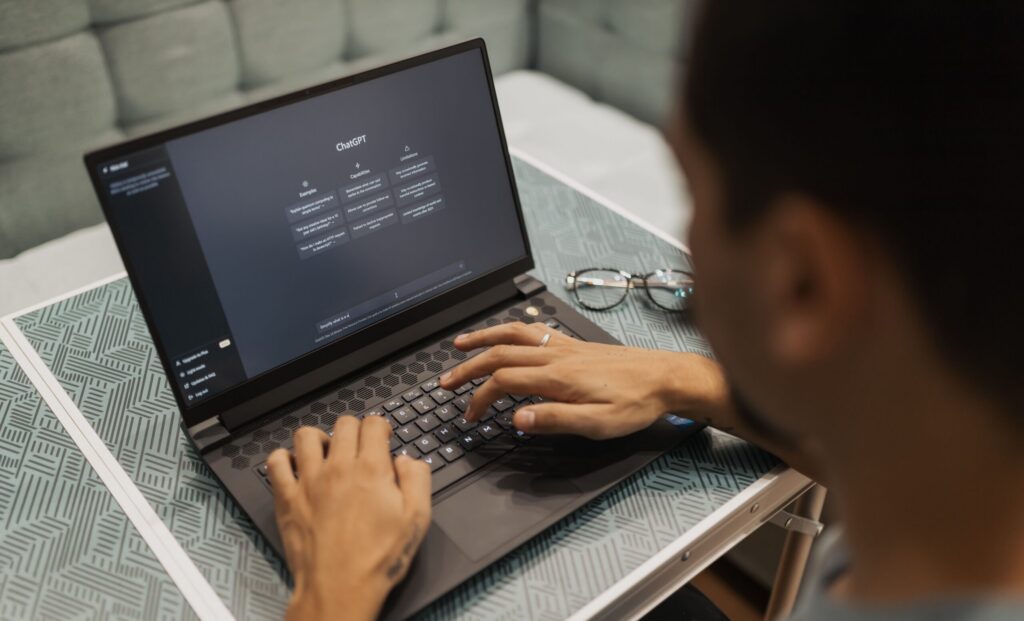
Demand is growing fast on the other side. Data engineers building automated pipelines, product managers directing AI-assisted development, cybersecurity specialists managing decentralised infrastructure, and professionals across every discipline who can direct and quality-check AI tools rather than just use them.
AI fluency is no longer enough by itself. It is becoming a basic expectation. What matters now is what sits above it: experience, accountability, taste, technical depth, strategic thinking, and the ability to produce work that can be trusted.
For remote talent, this makes long-term career development more important. Flexibility gives people options, but skills protect those options.
Where Remote Professionals Are Choosing to Work
The nomadic model, moving often and staying briefly, no longer represents how most serious remote professionals operate. The remote work shift in 2026 is toward longer stays and more intentional bases. Constant movement fragments routine and weakens the professional relationships that careers depend on.
Southeast Asia remains one of the most popular regions. Thailand, Vietnam, Malaysia, Indonesia, and the Philippines offer a combination of cost, infrastructure, international community, and quality of life that is hard to match.
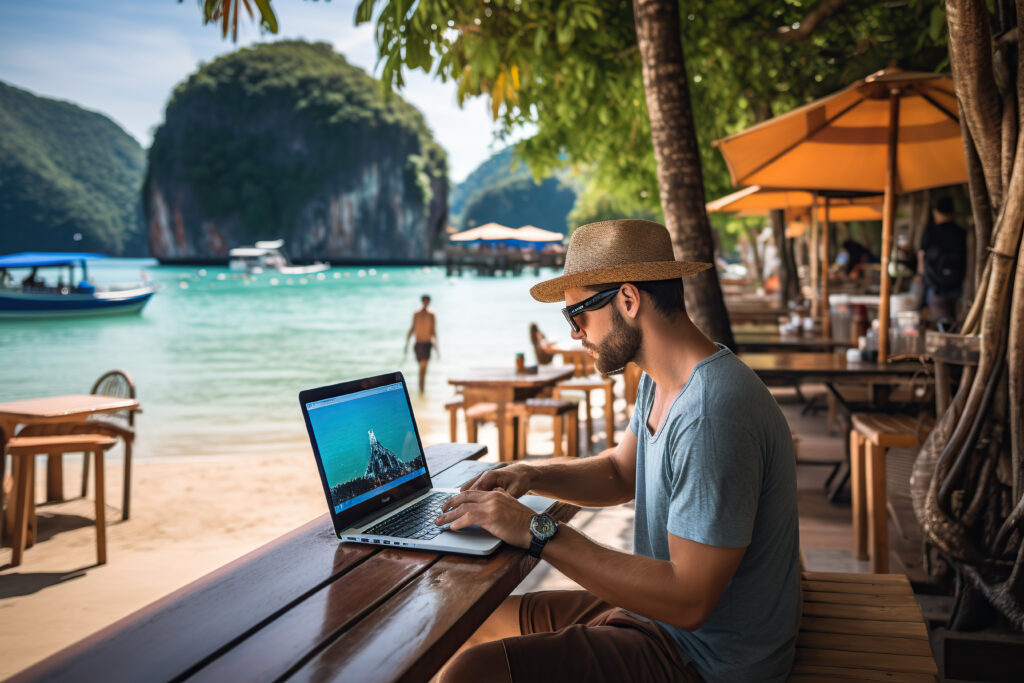
Bangkok and Chiang Mai offer established communities and strong infrastructure. Ho Chi Minh City and Da Nang offer energy and affordability. Kuala Lumpur and Penang offer modern infrastructure and a quieter pace. Bali offers lifestyle and community, though at a higher cost than before.
The professionals building something durable are choosing a base that fits how they work and staying long enough for the lifestyle to support the career rather than compete with it.
The Legal Landscape Has Changed
One of the most significant changes in remote work in 2026 is how fast the legal environment has formalised. Working on a tourist visa while managing tax obligations informally was once broadly tolerated. That window is closing.
Thailand, Malaysia, and Indonesia now offer structured remote work visa pathways with legitimate long-term residency and clearer tax requirements.
For remote professionals, this shift is positive. A proper legal framework removes the background uncertainty that drains focus, protects access to local services, and gives clients confidence in your professional standing. The professionals who have sorted this are consistently more settled than those who have not.
Professional Community Is Now a Career Asset
Isolation in long-term remote work rarely arrives suddenly. It accumulates. And by the time most professionals notice it, it has already been affecting their output and opportunities for a while.
The growing response to this shift is intentional community, not just coworking spaces or networking events, but genuine professional networks where people collaborate on real work, refer opportunities, and hold each other accountable.
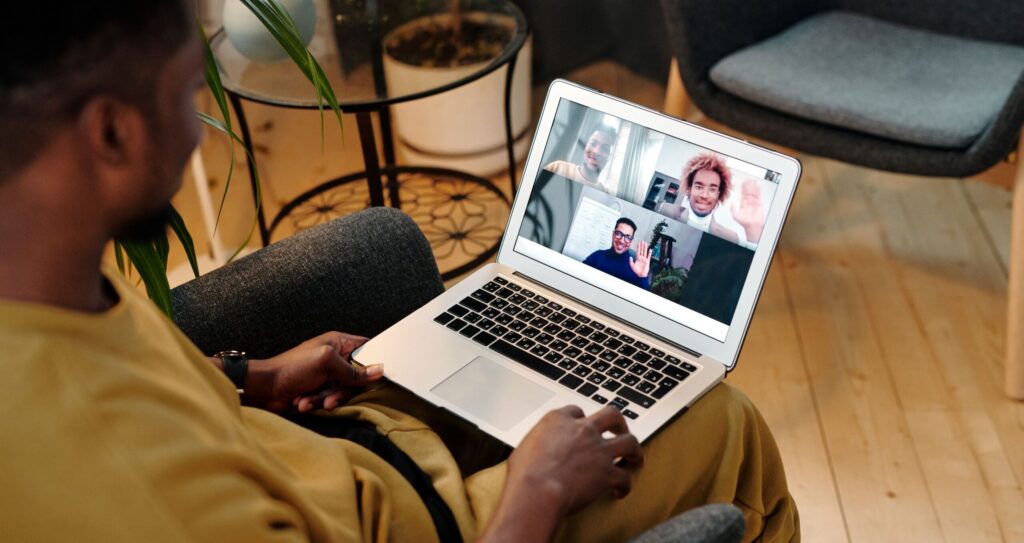
For remote professionals abroad, community is one of the strongest predictors of career health. The ones who invest in it early stay longer and work better. The ones who treat it as optional eventually find themselves questioning whether remote work is working at all.
The Shift from Freedom to Sustainability
Remote work is still built on freedom. That has not changed. What has changed is that freedom alone is no longer enough to create a stable, rewarding, long-term career.
The remote professionals doing well in 2026 are not giving up flexibility. They are making it more sustainable. They are choosing better bases, building stronger networks, improving their skills, taking legal clarity seriously, and treating remote work as a professional setup rather than a temporary lifestyle.
That is the real shift. Remote work in 2026 is moving from freedom as the main attraction to sustainability as the thing that makes freedom last.
If you are building a remote career for the long term, Iglu helps you find meaningful work, navigate the operational side of working internationally, and stay connected to a professional network that grows with you.