
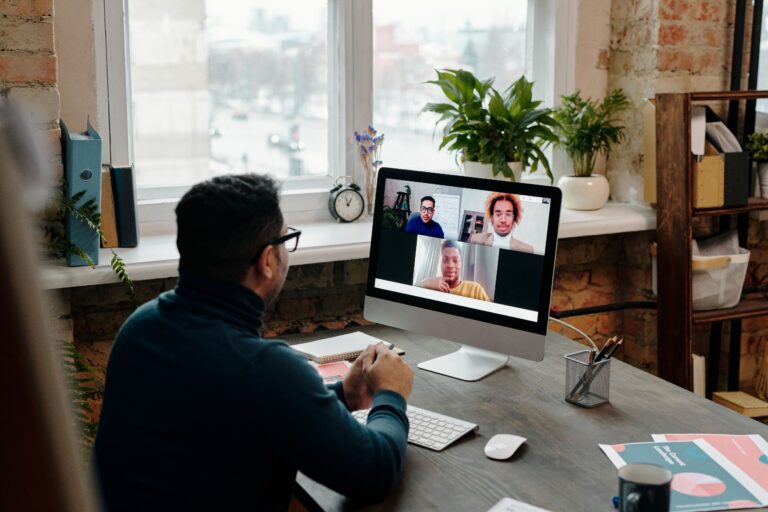
Remote work has changed the way companies think about hiring. A role no longer has to start with the question, “Who can we find near the office?” For many digital businesses, the better question is simply, “Who do we actually need?”
That shift has opened up more than a bigger talent pool. It has changed how companies add skills, where teams are based, how quickly they can respond to new priorities, and even what a team looks like in the first place.
For digital businesses, remote work is no longer just about where people work. It gives companies more ways to build the right team around what the business actually needs.
The clearest place to see that shift is in where companies look for talent in the first place.
Hiring Is No Longer Limited by Geography
For a long time, hiring was largely shaped by geography. If the company had an office in one city, the search usually started with people who lived nearby or were willing to relocate.
Remote work gives businesses more room to look beyond that.
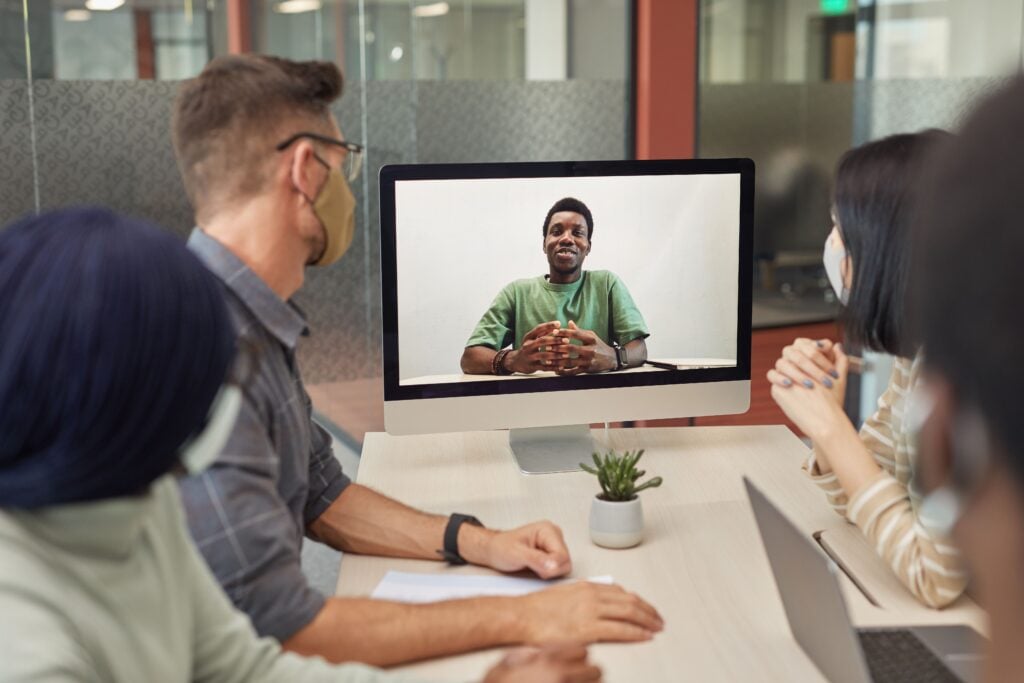
For digital roles, that means a company can focus more on finding the right experience and skills instead of limiting the search to one local market. That can be especially useful when a business needs developers, QA specialists, designers, marketers, or other professionals who may be difficult to find locally.
The result is not simply “more candidates.” Companies can build teams from a much wider pool and make hiring decisions around what the work actually needs.
More Flexible Ways to Build Capacity
Not every growth problem needs the same hiring solution. A business may need one specialist for a particular gap, several people to strengthen an existing team, or a dedicated group around a longer-term project. Remote work makes it easier to think about those needs separately instead of assuming every new requirement has to become another local permanent hire.
That gives companies more flexibility as priorities change. A product team may need more engineering capacity now, additional QA later, and a different skill set when the next project starts. The important change is that businesses have more ways to add the capability they need without rebuilding the whole team every time priorities move.

Team Integration Has Become More Deliberate
Hiring someone remotely is the easy part. Making them feel and work like part of the team is where the real work starts.
A professional who is going to stay involved for the long term needs more than access to a few tools. They need context, clear responsibilities, proper onboarding, and an understanding of how decisions are made.
This is also where the difference between hiring someone for a task and adding someone to the team becomes much clearer. A freelancer completing a short project may only need a good brief. Someone working on the core product for the next year needs to understand far more about the business. Remote work has made that distinction harder for companies to ignore.
Communication Built for Distributed Teams
A lot of office communication happens without anyone planning it. Someone asks a quick question across the room. A new employee picks something up from a conversation nearby. A manager notices that a project is stuck before anyone schedules a meeting about it.
Remote teams do not get those moments automatically. That means communication has to be more deliberate. People need to know where information lives, who owns decisions, when something is urgent, and when it can wait.

This does not mean remote teams need more meetings. Usually, the opposite is true. The better the documentation and day-to-day communication, the less everyone needs to be on a call just to stay informed.
Building Teams Across Different Locations
Remote work has not made location irrelevant. Time zones, infrastructure, local regulations, and the practical realities of working across countries still matter.
What has changed is that companies no longer have to assume everyone belongs in the same place.
Some roles may still benefit from regular time in an office. Others can work just as effectively from another city or country. A company can also build teams across several locations when that gives the business access to the right people or better coverage.
The point is not that every company should become fully remote. It is that location can now be a choice rather than the starting restriction.
Building Teams Around What the Business Needs
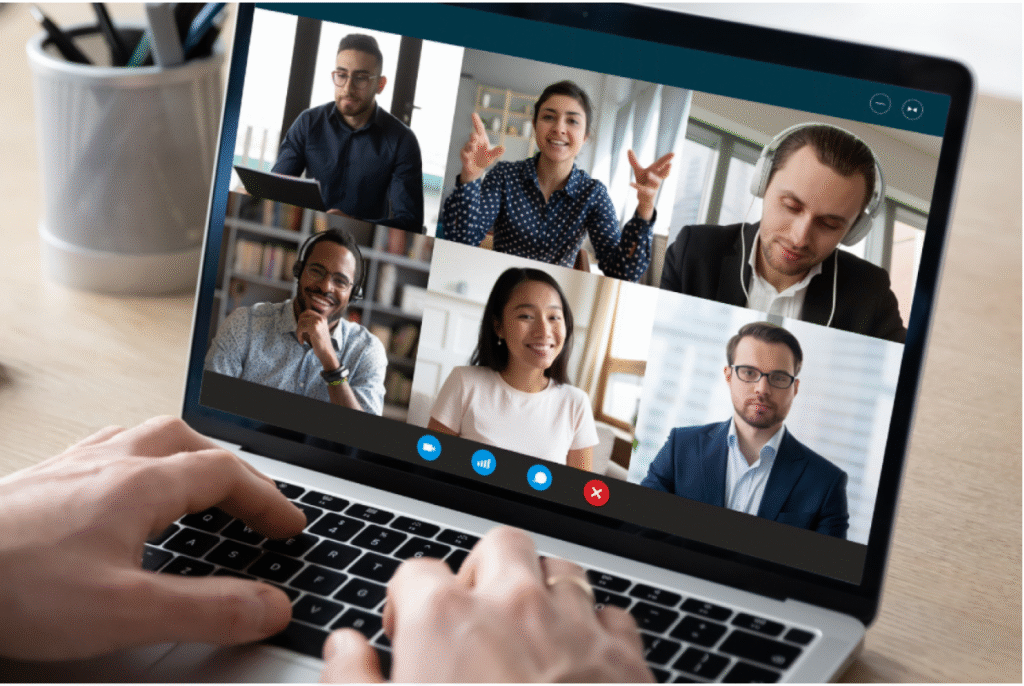
A team no longer has to mean a group of people hired in the same city, sitting in the same office, under one traditional employment setup.
It can include professionals across different countries who work inside the same systems, follow the same processes, and contribute to the same goals. Some may be internal hires, some may join through team extension, and other work may sit with an external provider.
What matters is less where people are and more how well they work together.
For companies building digital teams, that creates far more options than they had before. And for Iglu, that is where remote work becomes more than a workplace trend. It becomes a practical way for businesses to build the skills and capacity they need without letting geography decide what the team can look like.