
Remote work has changed how people think about living abroad. Instead of treating it as a short-term experience, more professionals are choosing where to live based on what actually works day to day; cost, healthcare access, reliable infrastructure, and whether they can keep working productively over the long term.
For remote professionals considering a move to Southeast Asia, the “Thailand vs Vietnam for remote workers” question comes up frequently. Both countries are well-established options, offering lower living costs than Western markets, strong regional connectivity, and cities that support modern remote work.
Where they differ is in how they feel over time. Infrastructure reliability, healthcare access, daily comfort, and long-term livability start to matter once the initial excitement wears off. This article looks at Thailand and Vietnam as long-term bases for remote professionals, focusing on cost of living, infrastructure, healthcare, and overall quality of life.
Cost of Living for Remote Professionals in Thailand and Vietnam
For anyone weighing up Thailand vs Vietnam for remote workers, cost of living is usually the first comparison point but it’s rarely the only one that matters long term.
Both countries are affordable by global standards. The real difference lies in how predictable daily costs feel once you’ve settled in.
Vietnam: Lower Costs, Greater Variability
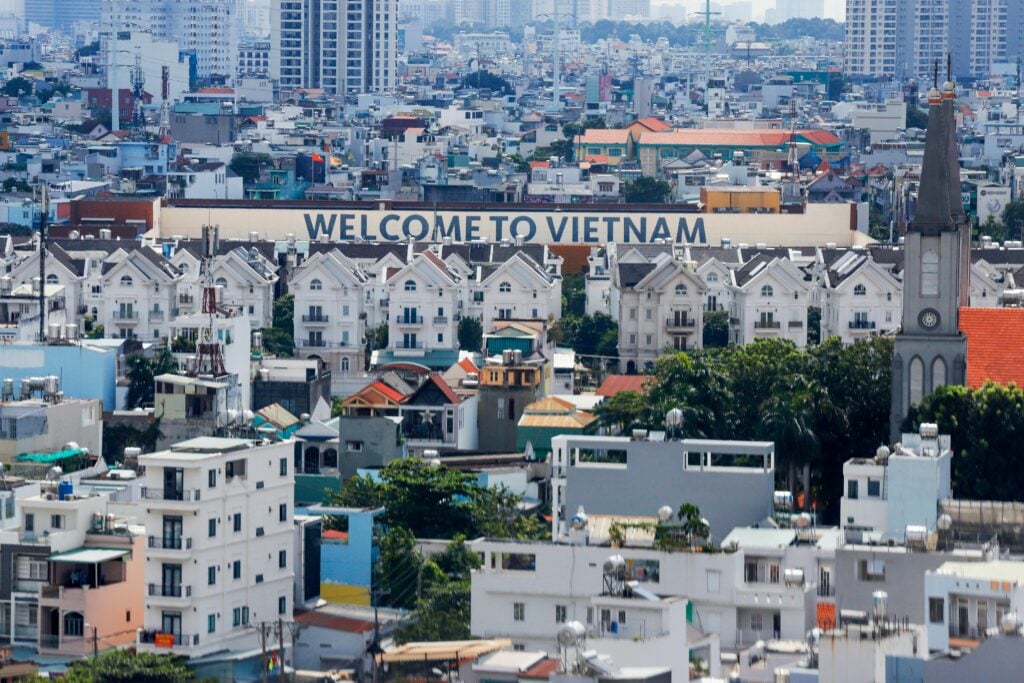
Vietnam consistently ranks among the most affordable countries in Asia for remote professionals. A comfortable long-term lifestyle in Vietnam typically falls between US$1,200 and US$1,800 per month, depending on city, housing quality, and personal habits.
- One-bedroom apartment (non-central): US$350–600
- Groceries and eating out (mostly local): US$250–400
- Utilities, internet, and transport: US$100–180
- Typical monthly total: US$1,200–1,800
Ho Chi Minh City, Hanoi, and Da Nang offer excellent value, especially for food and daily services. However, lower costs often come with trade-offs. Building standards vary widely, noise levels are high, and infrastructure reliability depends heavily on neighbourhood and property age. Vietnam rewards flexibility and tolerance for unpredictability. Vietnam tends to suit professionals who value affordability and momentum and are comfortable adapting to inconsistency.
Thailand: Higher Costs, Greater Consistency
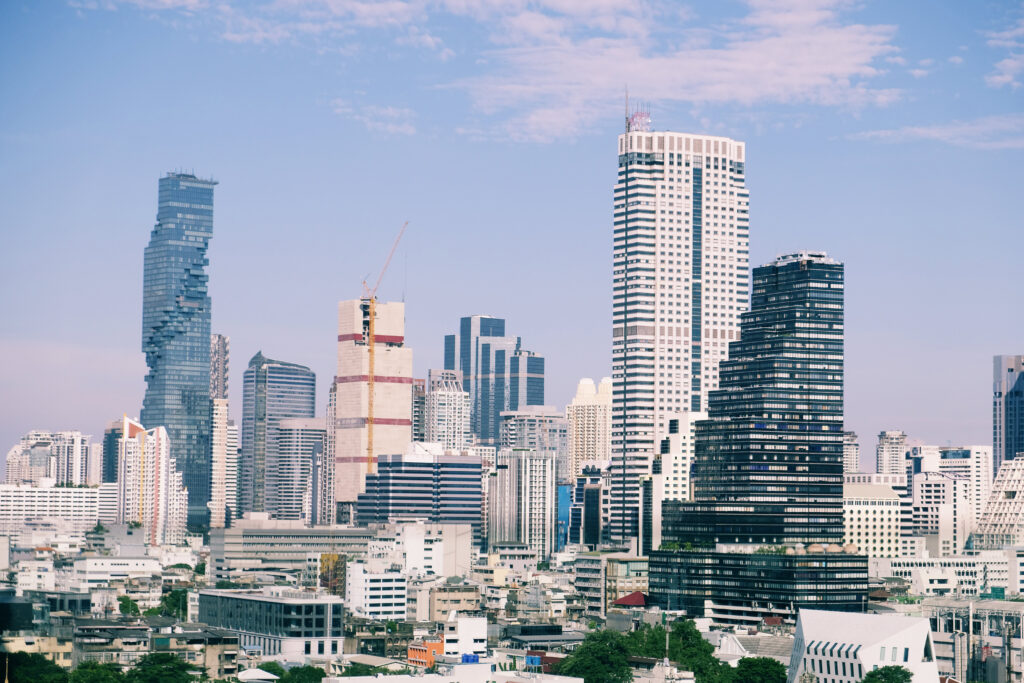
Thailand is more expensive than Vietnam, but the premium buys smoother day-to-day living. Most long-term remote professionals in Thailand spend US$1,500 to US$2,500 per month, depending on location and lifestyle.
- One-bedroom apartment (non-central): US$500–900
- Groceries and eating out (local and casual international): US$350–550
- Utilities, internet, and transport: US$150–250
- Typical monthly total: US$1,500–2,500
Bangkok’s central areas are noticeably pricier, but cities like Chiang Mai, Hua Hin, and secondary neighbourhoods in Phuket remain good value. Thailand’s higher costs generally reflect better-maintained buildings, more reliable utilities, and fewer day-to-day disruptions.
While monthly expenses set expectations, cash-flow reliability matters just as much for long-term remote living. Professionals working with overseas clients often face payment delays, currency conversion issues, or complex banking setups. Platforms such as GloPay help reduce that friction by enabling freelancers and contractors to invoice internationally, receive multi-currency payments, and withdraw funds easily supporting a more predictable financial setup when living abroad.

Infrastructure and Reliability: What Daily Work Feels Like
Both Thailand and Vietnam can support remote work in practical terms, but the experience of getting work done day to day isn’t the same.
In Thailand, internet reliability is one of its strongest advantages. Fibre connections are widely available across urban areas, with speeds commonly exceeding 300 Mbps. Power outages are rare, mobile coverage is strong, and co-working spaces are well established rather than experimental. In Bangkok, public transport also helps reduce daily friction, making it easier to structure a consistent working routine.
Vietnam’s internet speeds look impressive on paper, but reliability is more variable in practice. Undersea cable disruptions still happen several times a year, and power interruptions are more common in older buildings. Internet quality can vary significantly depending on the neighbourhood and property, even within the same city.
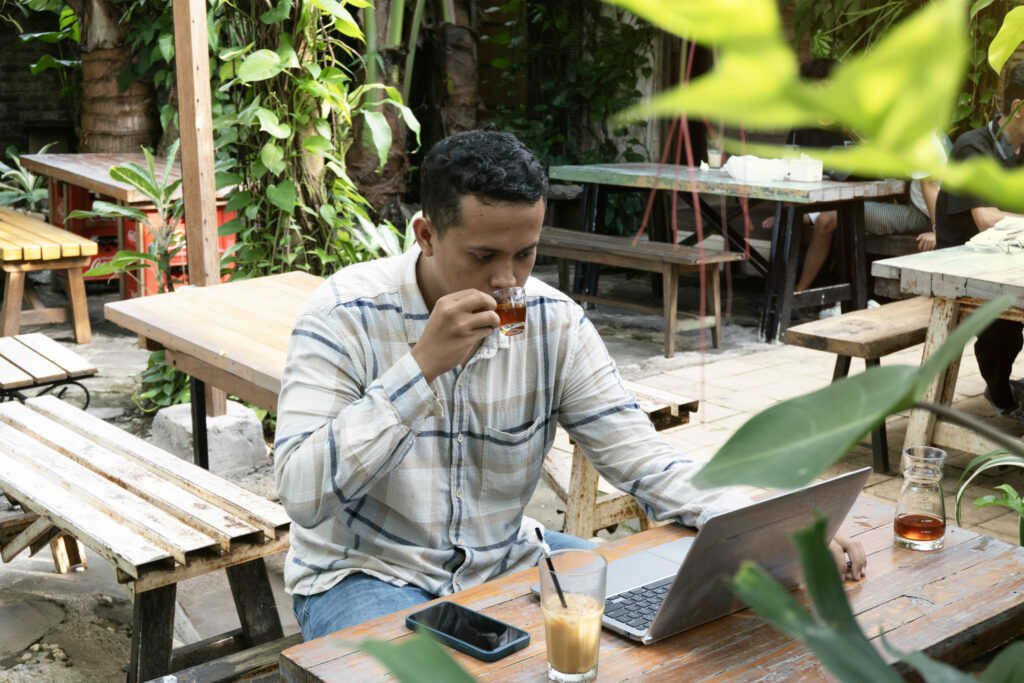
For professionals working with global teams or managing fixed deadlines, these interruptions can become a recurring source of frustration rather than a one-off inconvenience.
Overall, Thailand offers a more predictable working environment, while Vietnam requires greater tolerance for inconsistency. In the context of Thailand vs Vietnam for remote workers, the trade-off often comes down to consistency versus cost with Thailand providing smoother systems overall, and Vietnam rewarding flexibility and adaptability.
Healthcare Access and Long-Term Security
When people compare Thailand vs Vietnam for remote workers, healthcare often becomes one of the most decisive long-term factors. While both countries can support short-term stays, access to reliable medical care, specialist treatment, and English-speaking services becomes increasingly important the longer remote professionals live abroad.
Thailand
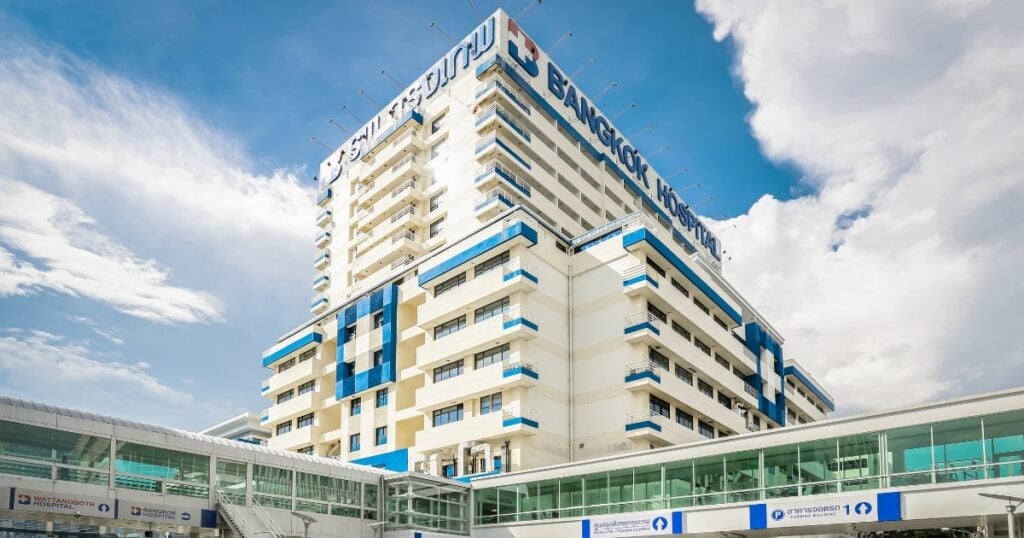
Thailand has one of the strongest private healthcare systems in Asia, and it’s a major reason many remote professionals choose to stay long term. Private hospitals operate to international standards, doctors and nurses commonly speak English, and access to specialists is generally straightforward.
Typical costs are still significantly lower than in Western countries:
- GP consultations usually range from US$50–100
- Specialist visits are typically US$80–150
Most serious medical issues can be treated locally, without the need to travel abroad. For long-term residents, that ability to handle both routine and complex care in one place adds a sense of security that’s hard to overstate.
Vietnam
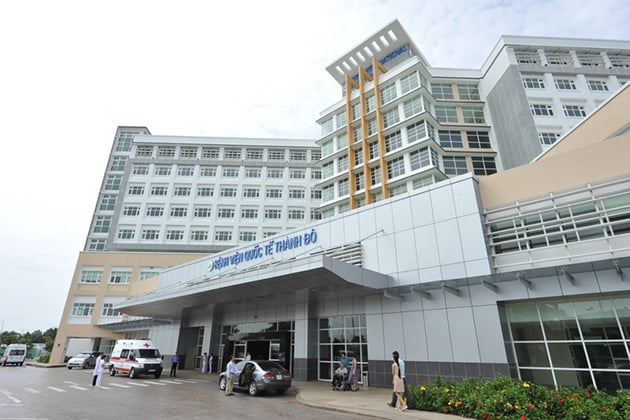
Vietnam’s healthcare system has improved considerably in recent years, particularly in major cities. International hospitals in places like Ho Chi Minh City and Hanoi handle routine and emergency care well, and many day-to-day health needs can be managed without issue.
Where Vietnam differs is in more complex treatment. Options become more limited outside top-tier facilities, and English-language support and specialist availability drop off quickly beyond major urban centres. As a result, many long-term residents still choose to travel abroad for major procedures or specialised care.
Environmental Factors and Everyday Livability
Thailand and Vietnam are both generally safe, with low levels of violent crime affecting foreigners. The real differences show up not in personal security, but in everyday comfort and environmental conditions.
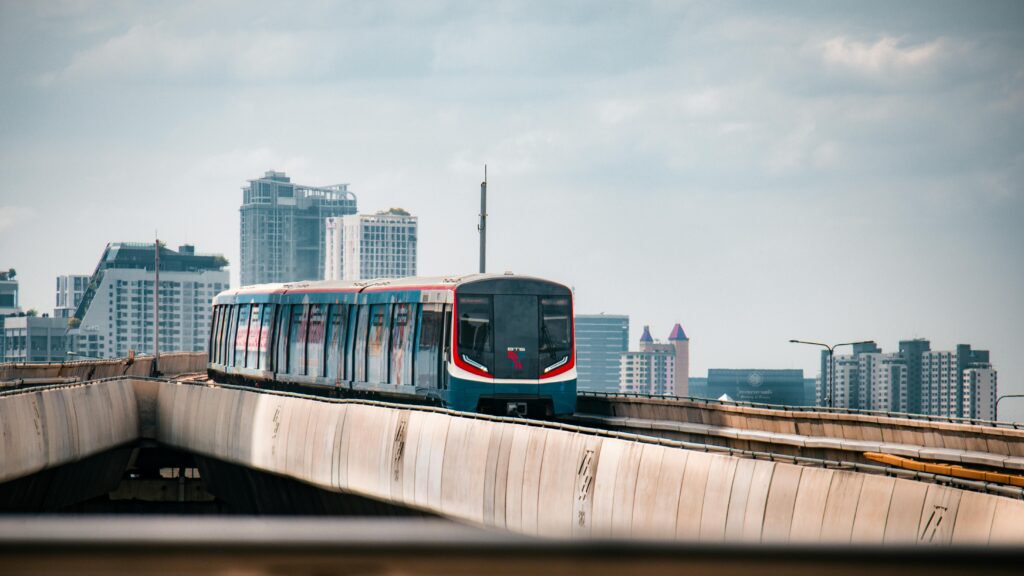
Thailand tends to feel more socially open and settled. Established expat communities, a slower pace of life, and familiar systems make day-to-day living easier to navigate. Traffic congestion is a challenge in Bangkok, but mass transit helps reduce its impact for those living near train lines.
Vietnam feels more intense by comparison. Traffic accidents are common, noise levels are consistently high, and air pollution particularly in Hanoi during winter can reach unhealthy levels. Some professionals thrive in this fast-paced environment, while others find it wears on them over time.
For long-term remote living, comfort often becomes as important as safety itself.
Why Long-Term Remote Work Depends on More Than Location
These differences shape how each country feels over time. Thailand tends to suit professionals who value balance and flexibility, with the option to move between cities, beach towns, and quieter regions without leaving the country. Vietnam appeals to those drawn to energy and momentum, where fast-paced environments can be motivating but also more demanding depending on personal tolerance.
For remote professionals, location choice is only part of the picture. Long-term success depends on having work that is genuinely location-independent. At Iglu, we believe professionals should have the freedom to choose where they live and work without putting their careers on hold.

Our remote-first model supports remote professionals and distributed teams globally, and for those looking to make a longer-term move, we also support relocation to key locations such as Thailand, Vietnam, and Hong Kong.
As remote work continues to mature, the most sustainable setups combine the right place with the right work structure. That balance allows professionals to build long-term lives abroad without compromising career growth or stability.
If you’re ready to build a remote career that supports where you want to live, explore opportunities with Iglu.