
Remote work has created an unusual contradiction. Many professionals are doing well at work while feeling worse in the life surrounding it.
SurveyMonkey’s 2026 research found that 72 percent of remote workers and 68 percent of hybrid workers believed working remotely gave them a better work-life balance. At the same time, one in three worried about maintaining clear boundaries between work and home.
The benefits of remote work are real, but so are the gaps around them. Remote professionals have more control, no commute and greater flexibility, yet the working day can be harder to end, everyday human contact can be easier to lose and home can slowly become a place where work is always present.
So the question is no longer whether people can be productive outside an office. They clearly can. The real question in 2026 is whether remote work can remain healthy, connected and sustainable over the long term.
Flexibility Can Quietly Become Permanent Availability
Remote work gives professionals more control over when and where they work. But without clear limits, that same flexibility can make the working day harder to contain.
In an office, leaving the building creates a natural ending. At home, work remains close. The laptop is still open, messages continue to arrive and unfinished tasks are only a few steps away. This makes it easy for work to spread into the evening. A quick email check becomes another task. A late message receives an immediate reply. Over time, being flexible starts to mean being available at almost any hour.

The pressure is not always coming directly from an employer. Remote professionals can also feel responsible for proving that they are active and responsive. When work is less visible, fast replies and constant online presence can begin to feel like evidence of commitment.
That is not a sustainable way to work. Clear expectations are more valuable than constant visibility. Professionals need to know when they are expected to respond, when a task can wait and when the working day is finished.
Strong boundaries protect more than personal time. They also protect concentration, motivation and the ability to return to work with enough energy to perform well. But even a remote professional with excellent boundaries can still face another problem. Finishing work on time does not automatically create a connected life outside it.
The Slow Loneliness of Remote Work
Remote work isolation does not always appear immediately. During the first few months, the independence can feel refreshing. There is more time, less office noise and greater control over the daily routine.
The disadvantages often develop more gradually. What remote work removes is not only the physical office. It also removes many of the small interactions that make professional life feel human. There is no conversation before a meeting, spontaneous lunch with a colleague or quick exchange with someone nearby.
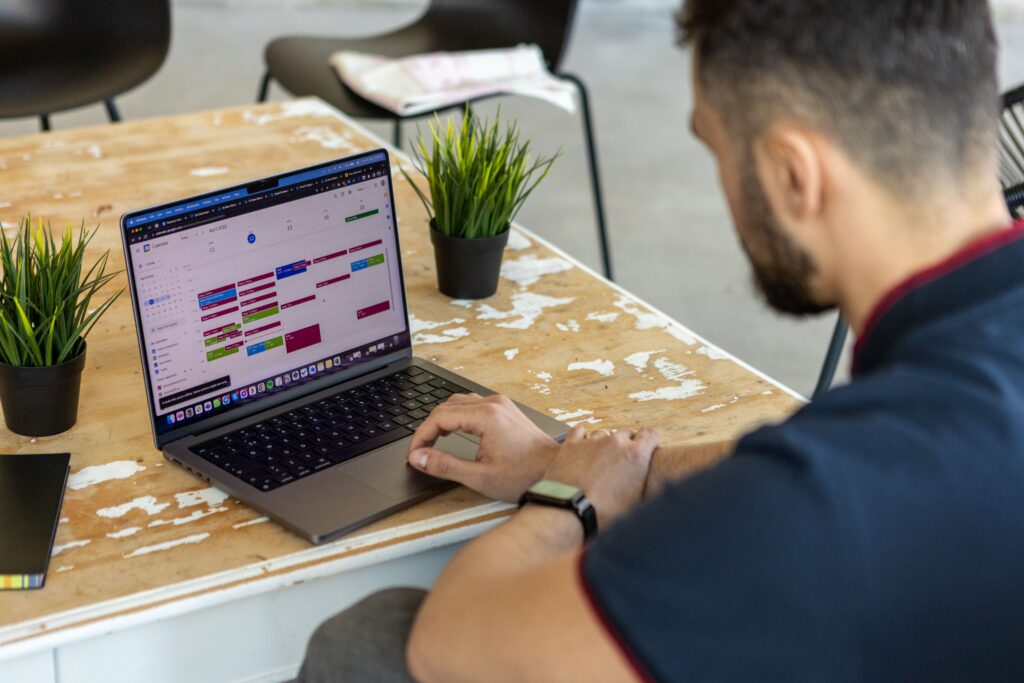
Communication becomes more efficient, but also more deliberate. Most conversations begin with a calendar invitation and end when the task has been discussed.
This loss of informal contact is becoming harder to ignore. SurveyMonkey’s 2026 research found that 46 percent of workers were concerned about missing opportunities to build relationships with colleagues.
A professional can therefore spend the entire day speaking to clients and coworkers while still feeling socially disconnected. This is why community matters. But simply bringing remote professionals into the same room does not automatically create it.
Why Community Alone Is Not Enough
A coworking desk, networking event or group chat can help people meet. That is not the same as having a dependable professional community.
Real community develops through regular contact. It means recognising the people around you, having someone to speak to without arranging a formal call and being able to exchange ideas with professionals who understand similar challenges.
These relationships make remote work feel less isolated. They also create opportunities to learn, collaborate and develop healthier working habits.

However, community cannot repair an unstable professional arrangement. A remote worker may know plenty of people and still feel uncertain about where the next project will come from. A coworking space cannot resolve unclear expectations, unreliable work or the pressure of handling every practical problem alone.
For remote work to remain sustainable, community needs to be supported by dependable work, clear responsibilities, a suitable working environment and access to practical support.
This becomes even more important for professionals working from another country. Relocation can improve quality of life, but it also means building new routines, relationships and practical stability away from familiar support networks. Without that foundation, changing location may simply move the same pressures somewhere new.
Making Remote Work Sustainable
Remote work does not need to be abandoned because some professionals experience burnout or isolation. It needs to be supported more effectively. The future of remote work is not less flexible. It is better structured around flexibility. That means clearer boundaries, stronger professional support, practical stability, and real community.
For professionals working remotely from abroad, this matters even more. Long-term remote work is easier to sustain when the legal setup, work environment, peer network, and daily life are not being managed completely alone. Community helps make remote work more human, while structure helps make it more stable.
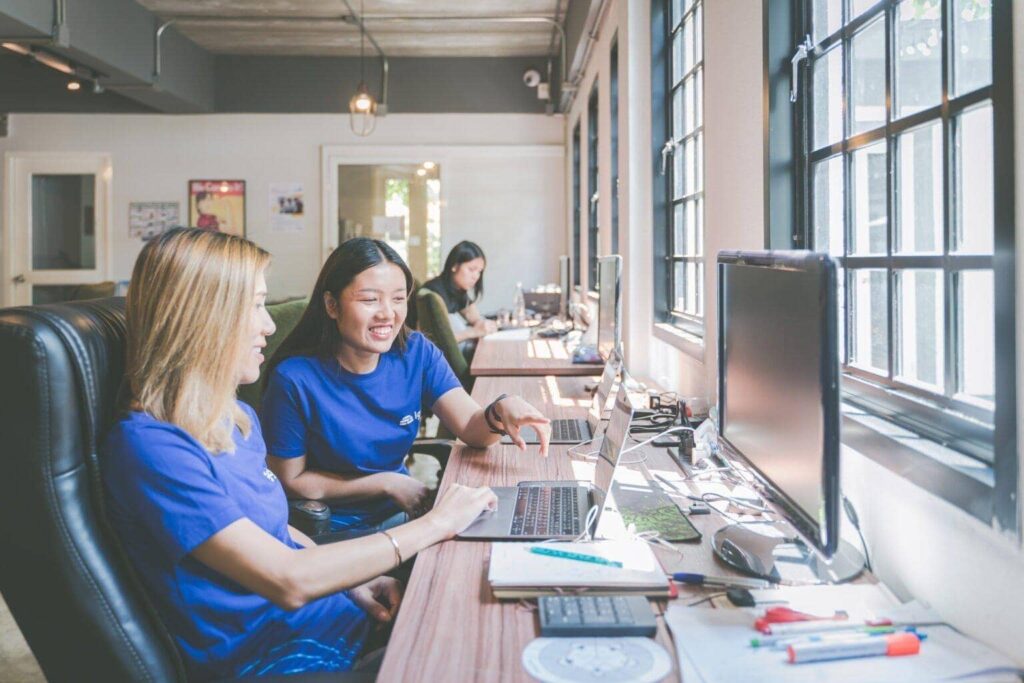
That is the role Iglu is built to support. It gives remote professionals a more structured way to work, live, and build a career abroad, with practical support and a professional community around them.
If you are working remotely and starting to feel the weight of burnout or isolation, the answer is not to push through alone. It may be time to look for a remote-work setup that gives your freedom the structure it needs to last.